Anatomical Tattoo Placement: Designing Sleeves that Flow with Muscle Contours
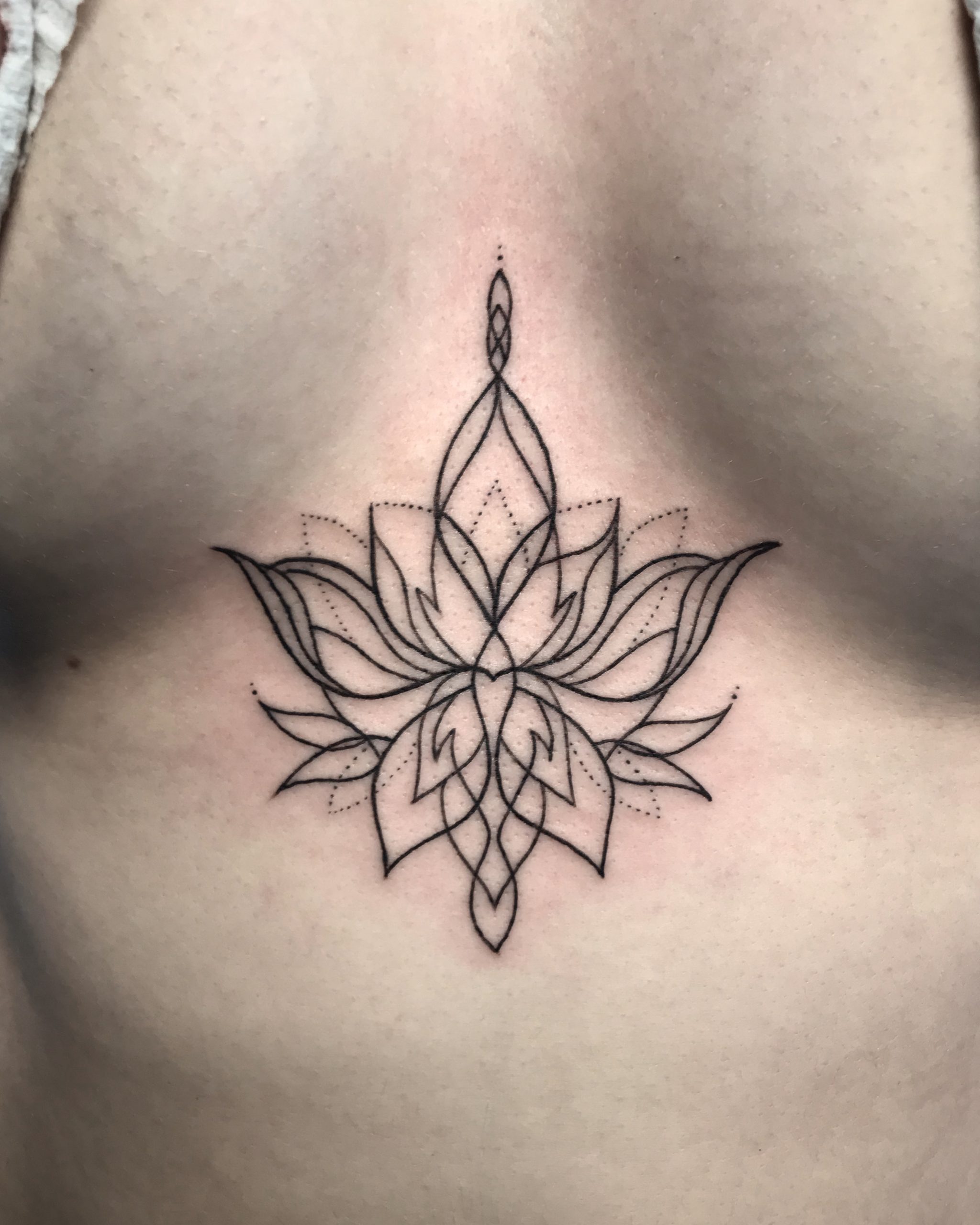
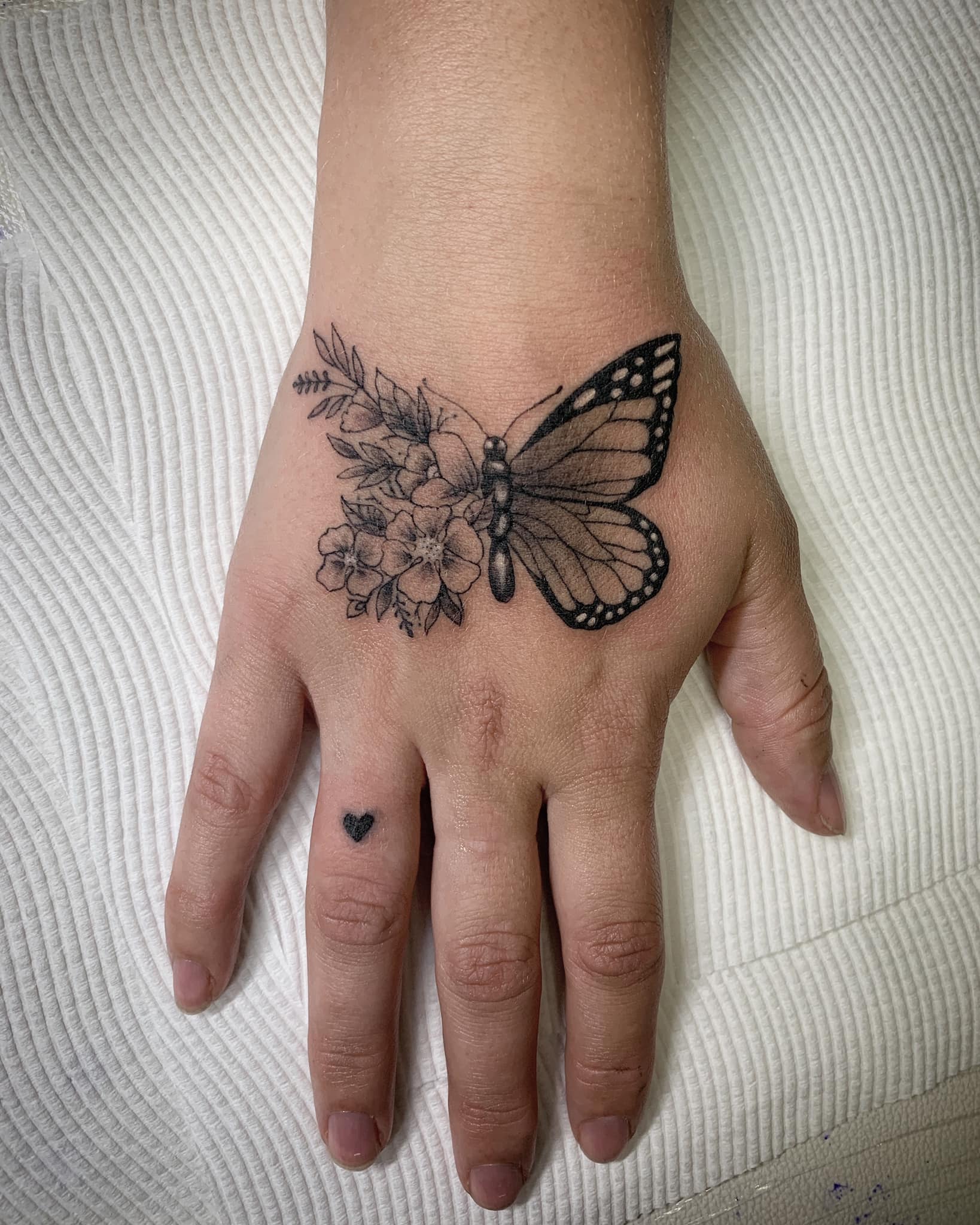
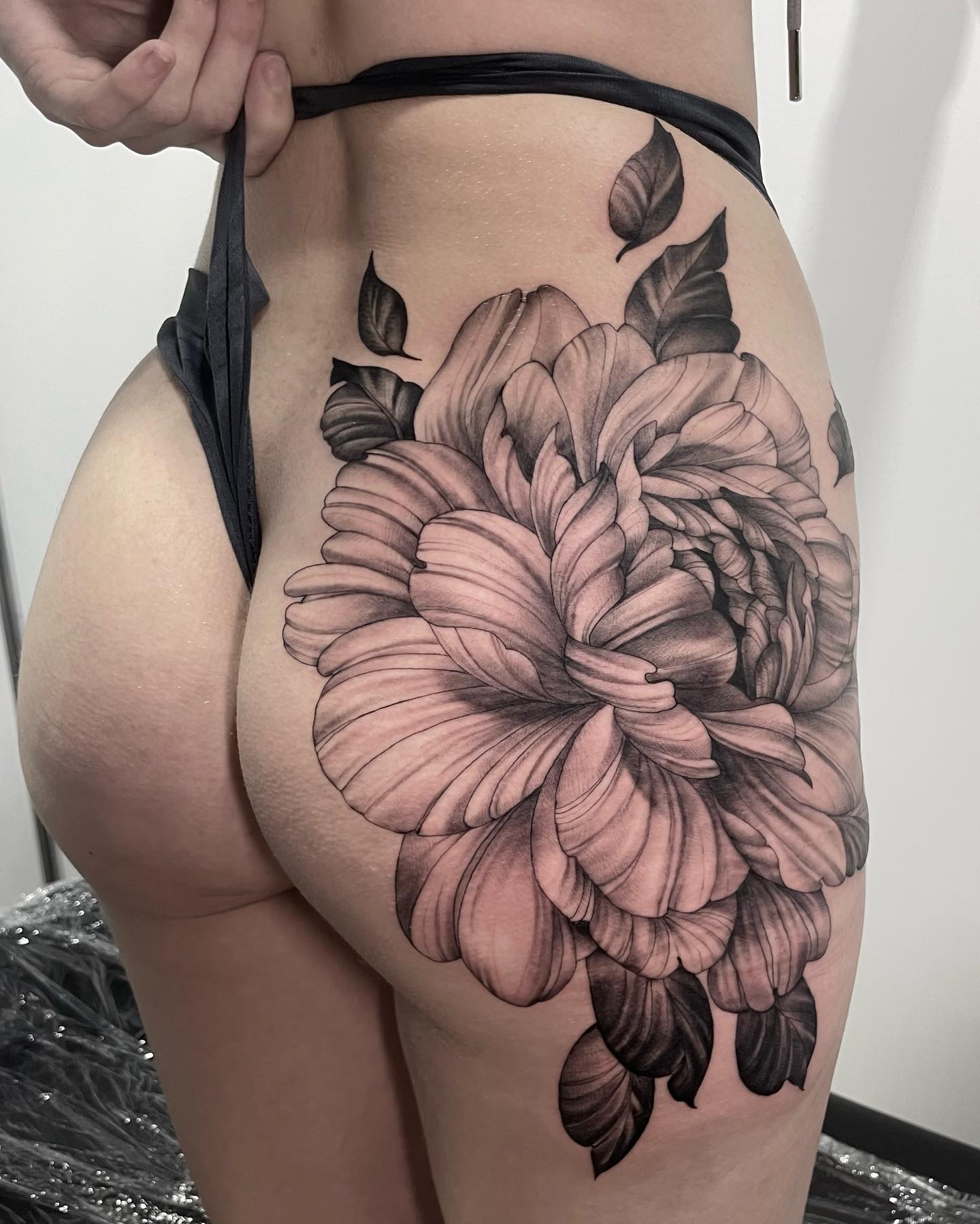
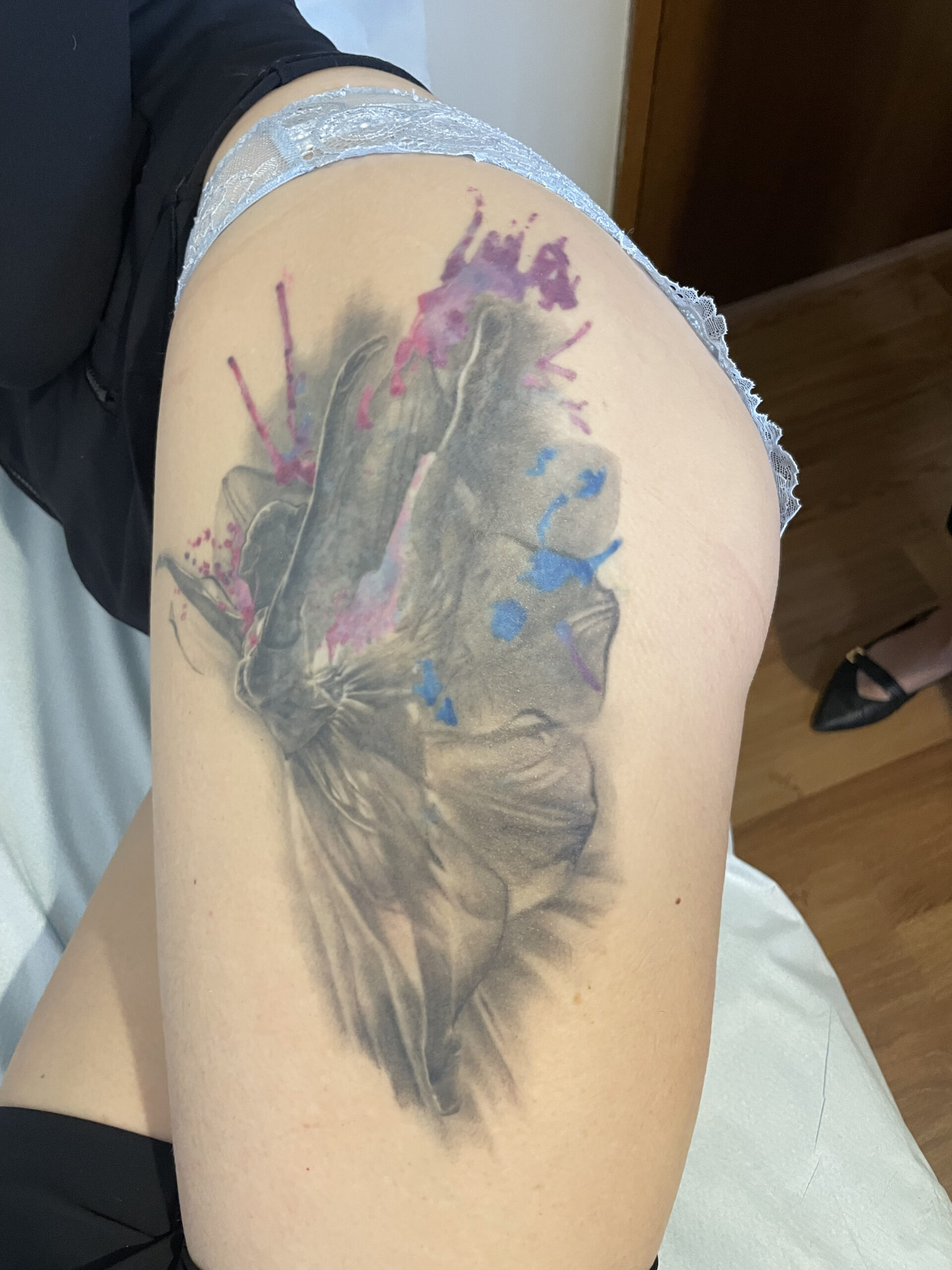
A tattoo does not exist on a flat sheet of paper—it lives on a curved, dynamic, constantly moving muscular canvas. Understanding anatomical flow is what elevates a random assortment of tattoos into a cohesive, museum-level sleeve.
How Muscle Contours Dictate Design Architecture
Whether drafting a full arm sleeve, chest plate, or leg composition, experienced artists arrange focal points around the body's natural muscle bellies and joints:
Deltoid & Shoulder Curvature: Perfect for spherical compositions, animal portraits, or dynamic mandalas that expand as the arm flexes.
Forearm Twist (Pronation & Supination): As the wrist rotates, forearm designs twist. Smart layouts place primary subjects along the outer radius where distortion is minimal.
Joint Transitions: Elbows and knees require negative space or flexible organic textures (smoke, water, leaves) that move gracefully without pinching.
When design follows the natural flow of human anatomy, the tattoo becomes an organic extension of your physical identity.
Planning a Full Sleeve Project
Theme Alignment: Decide early on subject matter cohesion (e.g., wildlife realism, mythological, dark fine art).
Pacing the Sits: Full sleeves typically require 4 to 6 full-day sessions spaced 4 weeks apart for complete healing between passes.
Trust the Artist Stencil: Always inspect the stencil while standing upright and relaxed in front of a full-length mirror.
At Lady Ink Melbourne, custom sleeve architecture is tailored exclusively to your frame for a truly bespoke silhouette.